Leadership Library

Trevor Davis - President, CEO

“The most important work you do at HYDRA is the work you do on yourself, both personally and professionally.”

At HYDRA, learning is part of how we operate. For those who already enjoy reading, this may feel familiar. For those who don’t, it’s worth a second look.

Most people drawn to an environment like the “Leadership Library” are already motivated and growth-oriented. We view that as a starting point, not a finish line. Continued development is essential to both personal growth and professional development. To support this, HYDRA encourages employees to spend up to one hour each day focused on learning.

This time is built into the workday and treated as a priority, not an afterthought. Conversations across teams are highly encouraged so ideas can be shared and applied.

Growth is not driven by intensity, but by consistency over time. HYDRA is committed to building an environment where that kind of progress is expected, supported, and sustained.

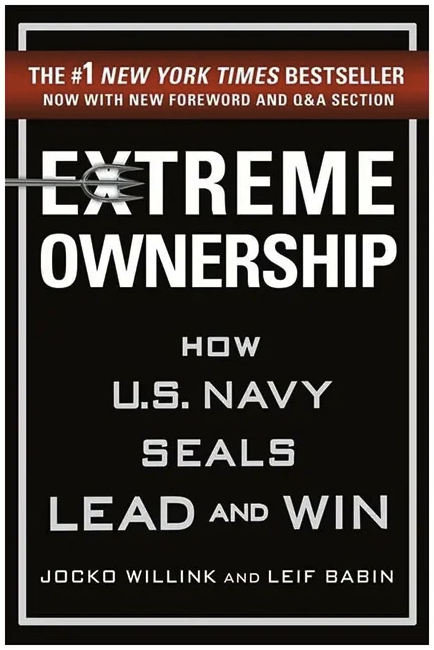
Extreme Ownership

Extreme Ownership

Jocko Willink and Leif Babin

Extreme Ownership draws on the experience of Navy SEALS to help us perform better on the business battlefield.

The core lesson of the book is to take responsibility for every aspect of one’s personal and professional life.

The book makes an excellent case for the need to develop leaders at every level (Chapter 8: Decentralized Command), and the importance of believing in the mission (Chapter 3: Believe). 

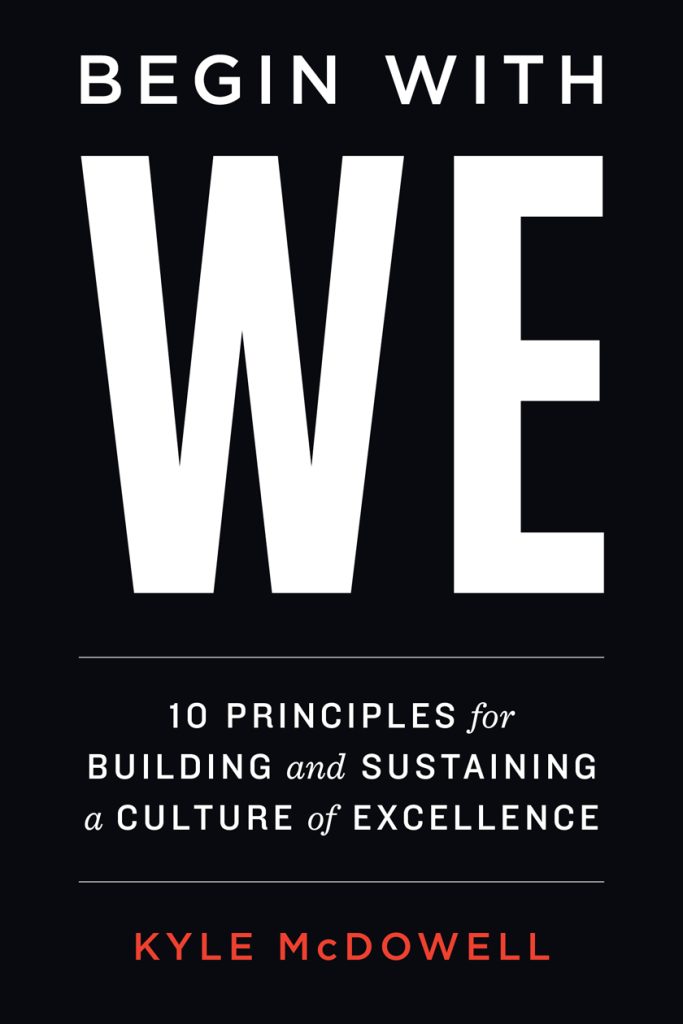
Begin with WE

Begin With WE

Kyle McDowell

Kyle McDowell’s “Begin With WE” outlines a leadership philosophy centered on prioritizing the team over the individual, built around ten guiding principles that promote accountability and collective ownership. Casting the self-focused mindset aside, high-performing organizations are created when individuals consistently act in the best interest of the team and the mission, putting “WE before me.” By adopting behaviors rooted in trust, transparency, and mutual respect, leaders can foster stronger collaboration and more effective execution.

The principles in this book have directly influenced the development of Hydra’s Standards of Performance and continue to shape our Culture of Excellence, reinforcing a unified approach to leadership and teamwork across the organization.

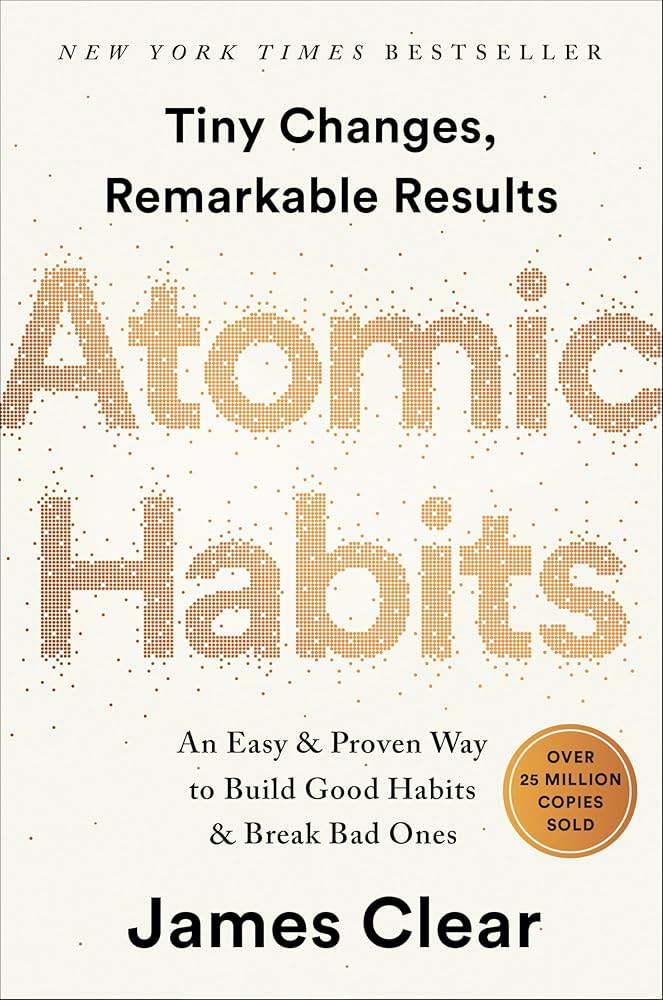
Atomic Habits

Atomic Habits

James Clear

“Atomic Habits” brings us a practical framework for building good habits and breaking bad ones. The success of these habits develops through small, consistent changes that compound over time. Lasting improvement comes not from a single massive action, but from refining systems and setting identity based goals. By adopting habits that reinforce identity (“I am someone who improves daily”) and embracing setbacks as feedback, readers develop resilience, discipline, and the belief that they can evolve through effort. This directly aligns with a growth mindset, as it encourages individuals to view progress as a continuous process of learning, experimentation, and incremental improvement rather than fixed ability or quick results.

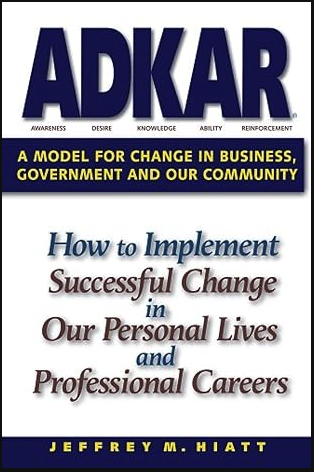
How to Impement Successful Change in Our Personal Lives and Professional Careers

ADKAR

Jeffrey M. Hiatt

ADKAR provides a framework for understanding and managing change within an organization. The key elements for successful change are: Awareness, Desire, Knowledge, Ability, and Reinforcement. 

The book uses practical examples and case studies to show leaders (that’s you!) how they can apply change effectively by focusing on the needs of individuals and ensuring alignment with the organization’s goals. If you have big changes in mind for your department or the organization, this is a great place to start. 

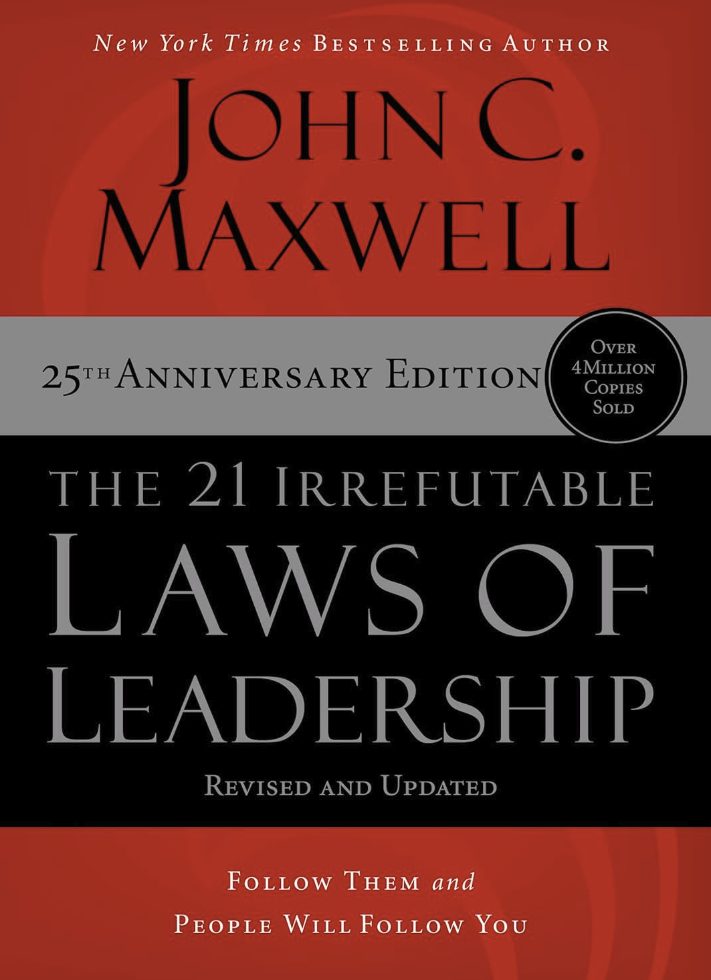
The 21 Irrefutable Laws of Leadership

The 21 Irrefutable Laws of Leadership

John C. Maxwell

The 21 Irrefutable Laws of Leadership inspires effective individuals to harness the power of leadership to become a force-multiplier in achieving success. The book shares insights about how each law can be applied to inspire and empower others, foster organizational growth, and achieve sustainable outcomes. 

Whether you’re an aspiring or experienced leader, the strategies in this book will provide valuable insights for enhancing leadership effectiveness in any context.

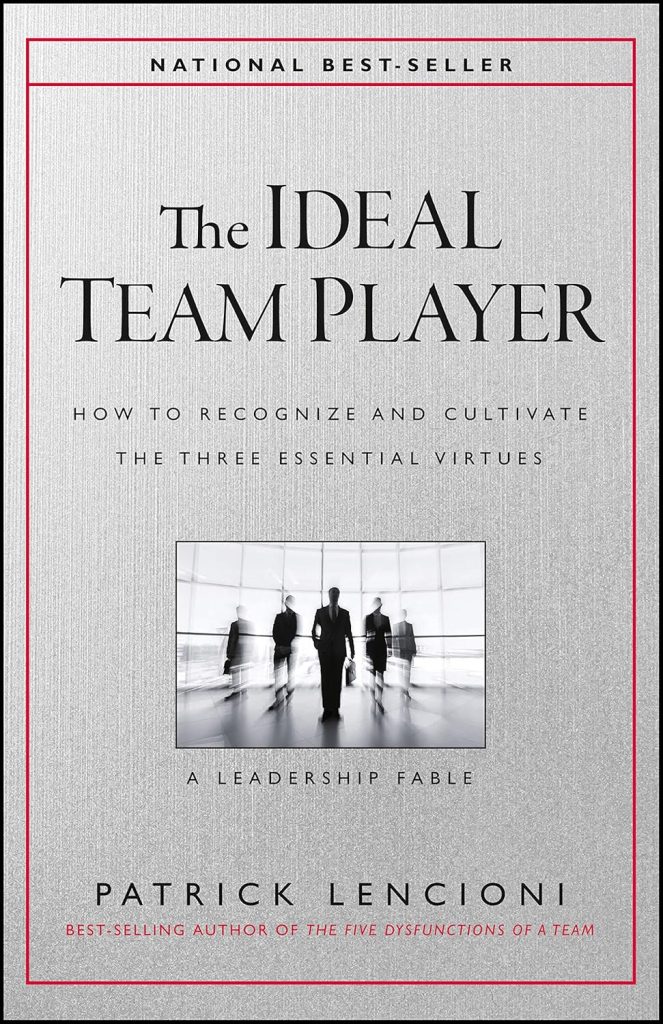
The Ideal Team Player

The Ideal Team Player

Patrick Lencioni

Humble, hungry, and smart. As teammates, these are the three things we should all strive to be. In this leadership fable, Patrick Lencioni helps us to see that truly effective team members lack excessive ego (humble), demonstrate a strong work ethic and drive (hungry), and possess interpersonal awareness and emotional intelligence (smart). The book emphasizes that when one of these traits is missing, team dysfunction often follows.

In the later chapters, Lencioni unwinds these concepts into actionable guidance for leaders, particularly in hiring, performance management, and culture development. Ultimately, the book reinforces that sustained success is less about technical talent alone and more about cultivating people who are wired to contribute positively and effectively within a team dynamic.

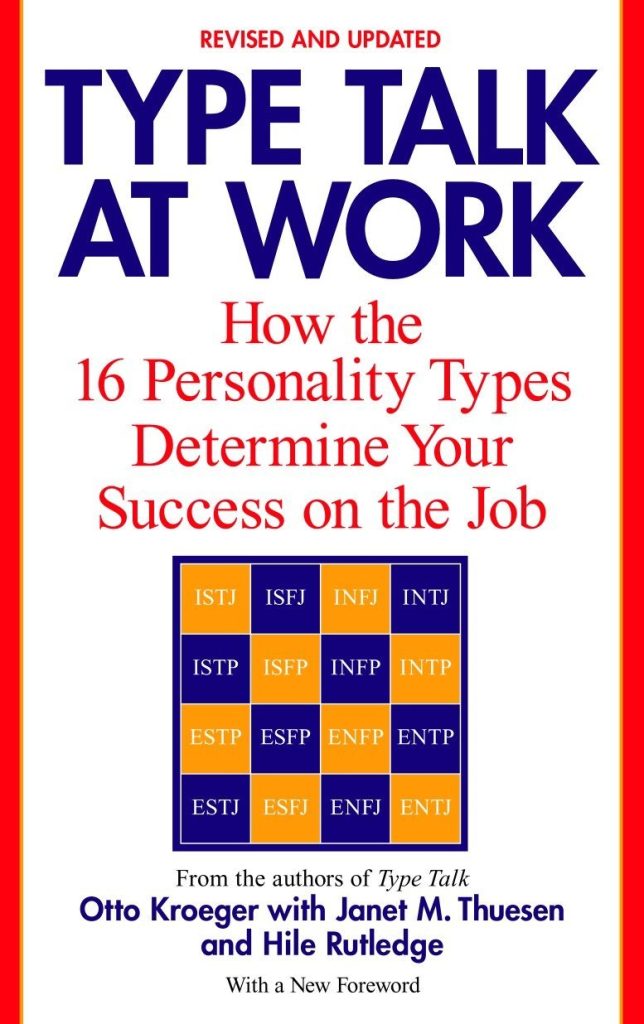
Talk Type at Work

Type Talk at Work

Otto Kroeger with Janet M. Thuesen and Hile Rutledge

Type Talk at Work expands upon our knowledge of the sixteen personality types identified by the Myers Briggs Type Indicator (MBTI) assessment and allows better communication and collaboration at work. 

Recognizing and respecting different personality preferences can lead to more effective teamwork, conflict resolution, and leadership skills development.

The Leadership Challenge

The Leadership Challenge

James M. Kouzes and Barry Z. Posner

The Leadership Challenge shares the import lesson that leadership is not necessary an inherent skill, but something that can be developed through deliberate practice. 

Through inspiring a shared vision, modeling the way, challenging the process, enabling others to act, and encouraging the heart, we can lead ourselves and others to success. 

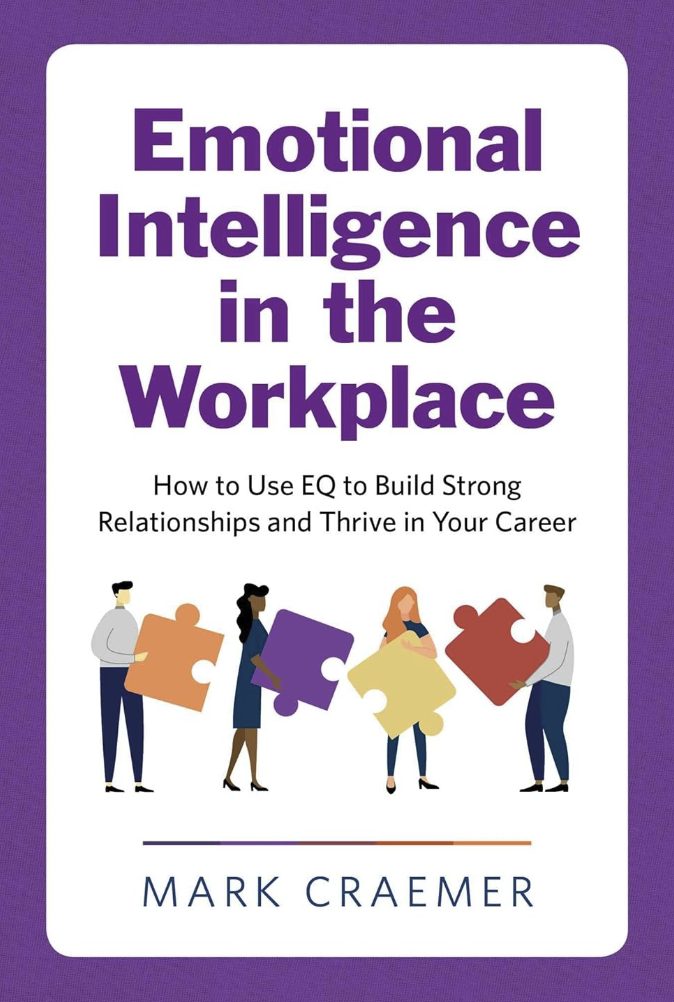
Emotional Intelligence in the Workplace

Emotional Intelligence in the Workplace

Mark Craemer

Emotional Intelligence in the Workplace reminds us that it’s not the people with the highest IQ who tend to be most successful, but rather the people with the highest levels of emotional intelligence (EI). EI influences many aspects of workplace dynamics, such as leadership, teamwork, communication, and decision-making. 

The five components of EI are self-awareness, self-regulation, motivation, empathy, and social skills. This book shows that developing these skills can lead to better relationships, higher performance, and enhanced overall well-being in the workplace.

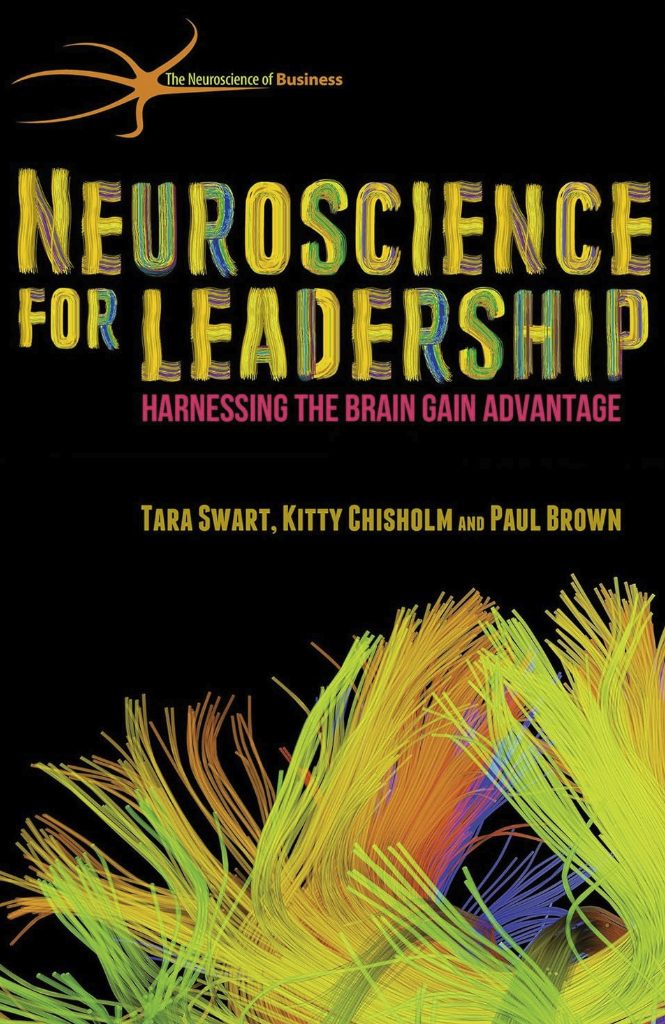
Neuroscience for Leadership

Neuroscience for Leadership

Tara Swart, Kitty Chisholm, and Paul Brown

Neuroscience for Leadership offers insights into how understanding the function of our brains can enhance our leadership effectiveness. The book will help you gain an understanding of how brain function impacts leadership behaviors, decision-making, emotional intelligence, and personal resilience.

Through practical examples and actionable strategies, the book challenges readers to optimize their leadership approach, foster better relationships, drive innovation, and navigate change. This framework allows leaders to unlock their full potential and inspire peak performance in their teams.

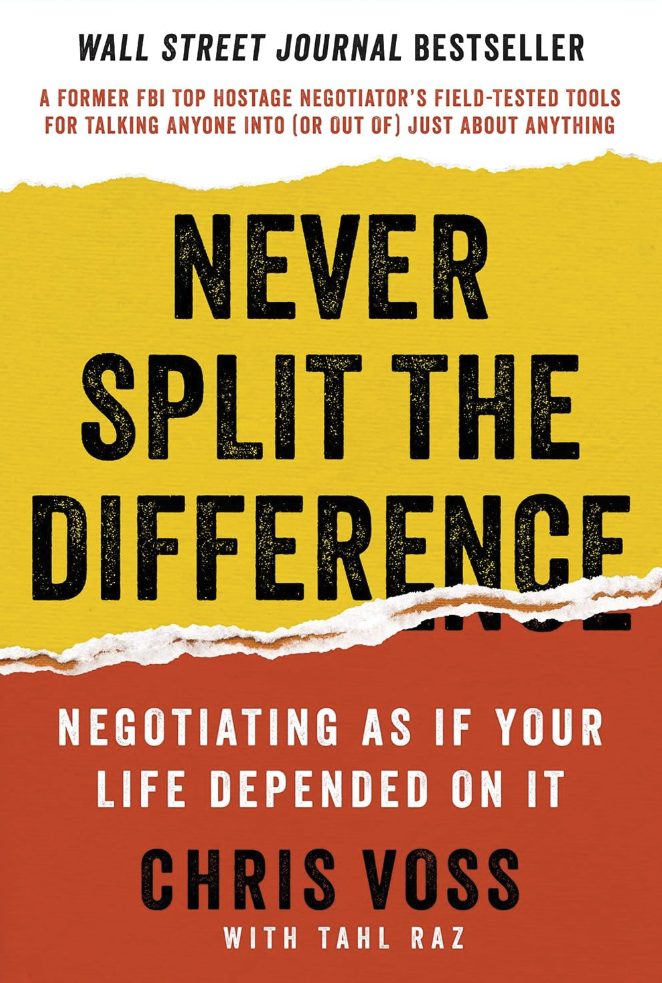
Never Split the Difference

Never Split the Difference

Chris Voss

Never Split the Difference shares the personal experiences of former FBI hostage negotiator Chris Voss. The tactics discovered in his career can help each of us achieve successful outcomes in personal and professional negotiations. The book emphasizes the importance of active listening, emotional intelligence, and tactical empathy to influence positive outcomes.

The book challenges conventional wisdom about negotiation by encouraging more collaboration and empathy rather than focusing solely on compromise. The principles help us achieve desired outcomes while still preserving healthy relationships.

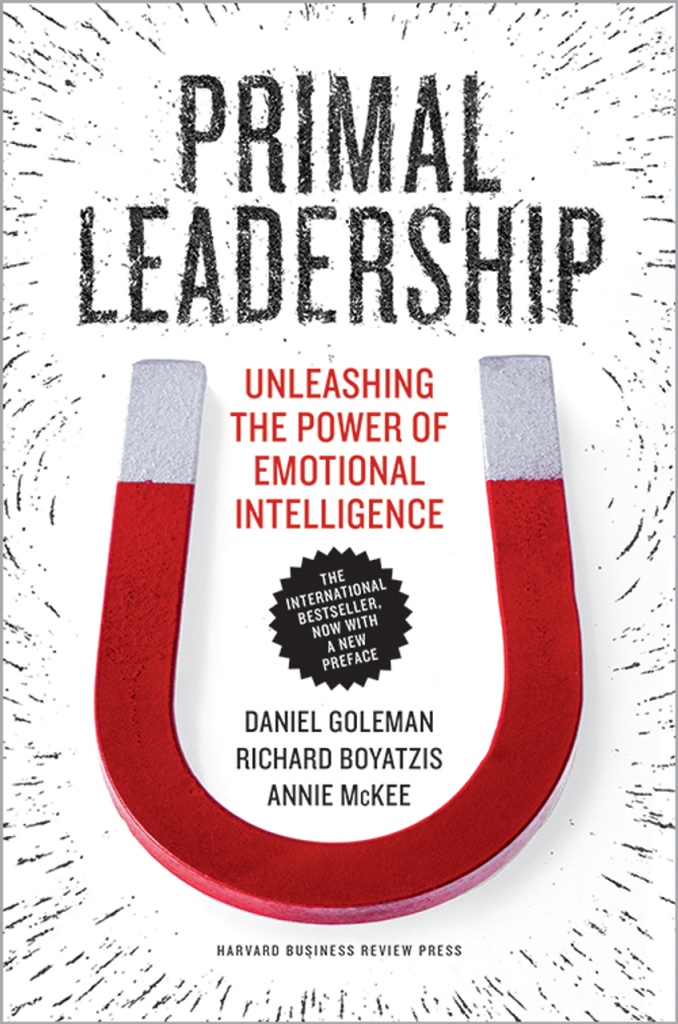
Primal Leadership

Primal Leadership

Daniel Goleman, Richard Boyatzis, and Annie McKee

“Primal Leadership” explores the critical role of emotional intelligence in effective leadership, arguing that a leader’s primary responsibility is to shape the emotional climate of their organization. The authors introduce the concept of “resonant leadership,” where leaders create positive emotional resonance that drives engagement, trust, and performance. The book outlines six leadership styles—visionary, coaching, affiliative, democratic, pacesetting, and commanding—and explain how each style impacts organizational climate.

Leadership effectiveness is not just about strategy or technical competence, but about self-awareness, self-regulation, empathy, and social skill. Leaders who lack emotional intelligence risk creating dissonance, leading to disengagement and poor results, while those who cultivate it can inspire teams, navigate change, and sustain high performance. Ultimately, “Primal Leadership” provides a practical framework for leaders to intentionally manage both their own emotions and the emotional dynamics of their teams to drive lasting organizational success.

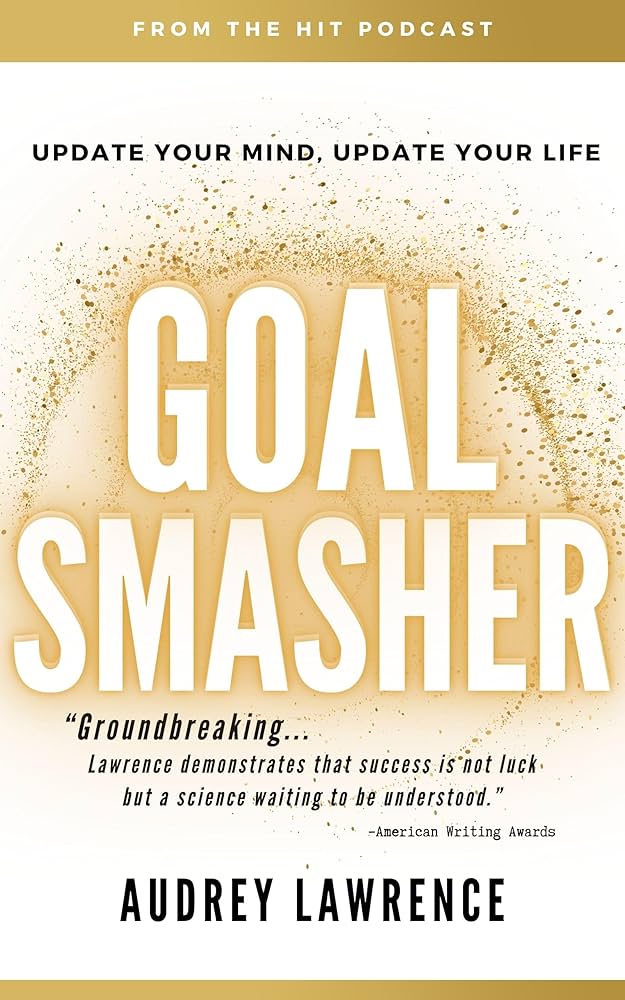
Goal Smasher

Goal Smasher

Audrey Lawrence

This book by Audrey Lawrence is a results-driven guide to setting, pursuing, and achieving meaningful goals. The author emphasizes breaking larger objectives into actionable steps, maintaining focus through consistent execution, and building the mental resilience required to overcome obstacles and setbacks. Lawrence highlights the importance of accountability, structured planning, and tracking progress to ensure goals don’t stall or lose momentum. By combining practical tools with a mindset geared toward ownership and follow-through, “Goal Smasher” equips individuals to move beyond intention and decisively execute on their goals, turning ambition into measurable results.

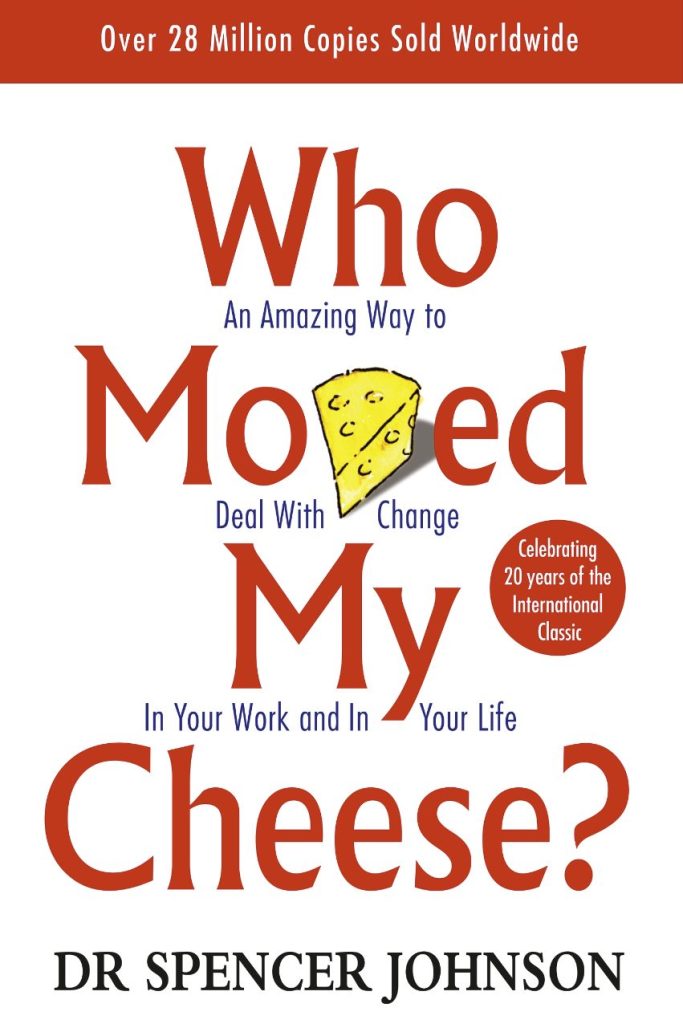
Who Moved My Cheese

Who Moved My Cheese

Dr. Spencer Johnson

Who Moved my Cheese uses the time-tested art of storytelling to share important ideas about change. Through this simple yet profound narrative, the author shares the importance of adapting to change, letting go of fear, and embracing new opportunities. 

The book offers valuable insights into how individuals can navigate change with resilience and creativity, both in their personal lives, and at work.